


What Is Modern Day
Human Trafficking?
It’s not somewhere else. It’s here.
The most misunderstood truth about trafficking:
It’s happening in our communities—often by people victims already know.
What Is Sex Trafficking?
Sex trafficking is the exploitation of a person through force, fraud, or coercion for sexual activity.
A “commercial sex act” includes any sexual activity exchanged for something of value—money, shelter, food, protection, or status.
Key Truth
Exploitation doesn't always look violent. It often looks like a relationship or opportunity.
What is Exploitation?
Exploitation is taking advantage of someone for personal, financial, or other gain—especially by using power, control, vulnerability, or deception. In this context, exploitation occurs when a person is manipulated or forced into providing labor, services, or commercial sex acts.
How It Happens?
A calculated process in which trust is built before exploitation and harm begin.
Targeting
Trust
Building
Meeting Needs
Isolation
Dependency
Control
Explotation
Grooming, Targeting & Recruitment

Targeting
Identifying vulnerability - loneliness, insecurity, instability.

Gaining Trust
Attention, kindness, consistency - toward both child and family.

Meeting Needs
Gift, validation, emotional support.

Isolation
Creating one-on-one access and emotional dependence.

Sexualization
Gradual boundary crossing - conversations, images, exposure.

Control
Shame, threats, secrecy, or financial dependence to maintain power.
What You Should Know:

Exploitation often begins online through chat-based platforms and social apps.

Victims may appear “normal” while being controlled by their perpetrator.

Trafficking is often tied to prior vulnerabilities or having unmet needs.
Manipulation—not force—is the most common tool to keep a victim silent.
Red Flags:
Important: These are signals, not proof. One sign = ask questions and/or report a tip.
sudden shifts in friends, mood, or appearance
withdrawal from family or activities
Controlling companion or boyfriend/girlfriend
fear of authority
signs of abuse, neglect, and exahstion
secretive online behavior or multiple phones
unexplained money, gifts, or travel
appears to have limited freedom or seems monitored
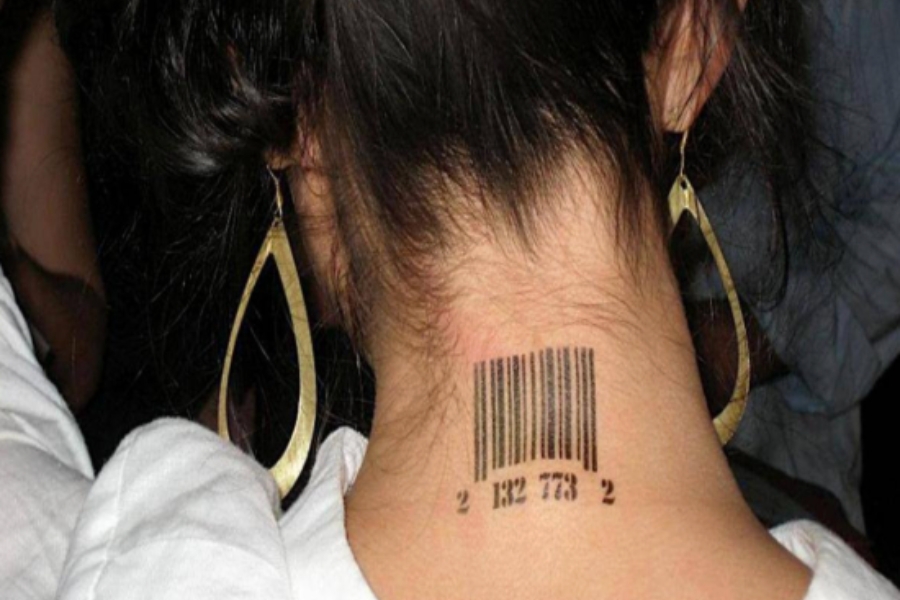
tattoos and branding
Common Misconceptions:
Trafficking always involves kidnapping or physical force.
False - Most victims are not abducted. Predators use psychological manipulation, false promises, financial dependence, and threats to maintain control.
Victims can just leave if they want to.
False - Many often stay due to trauma and control. This dynamic is closely tied to trauma bonding, where victims feel loyalty or dependence on the person exploiting them.
It only happens to strangers or in foreign countries.
False - Victims are often trafficked by someone they know, and it intersects with everyday environments: schools, malls, social media, and even homes. Many cases involve grooming through platforms like Instagram or Snapchat, making it much closer to home than people expect.
Who Are The Predators?
Predators are rarely obvious. Family members and caregivers facilitate 41% of child trafficking. Often, they already have access, identify vulnerabilities, and build trust before exploiting them.
FAMILY MEMBERS
Already has trust, access, and emotional influence.
ROMANTIC PARTNERS
Often use affection, dependency, and isolation.
PEERS
Friends or classmates who introduce grooming socially.
Trusted Authority Figures
Exploit credibility, influence, or positions of trust.
Coaches
Build close mentorship before manipulation begins.
Teachers
May exploit access, vulnerability, or emotional trust.
Online Predators
Build relationships digitally before exploitation begins.
Strangers Who Build Trust
Use attention, support, or opportunity to gain access.
Mentors
Manipulate guidance, support, or emotional dependence.
This crime survives in silence.
Being equipped in your community changes everything. We want to invite you to take the next steps with us. Together, we can - and will - Untraffick America.
Testimonials

What Our Clients Say
This platform has completely transformed how we manage our marketing campaigns. The ease of use and powerful features have made a significant impact on our ROI.

This platform has revolutionized our business operations. The seamless integration and powerful features have helped us scale our marketing efforts efficiently while maintaining excellent customer relationships.

The automation capabilities are incredible. We've saved countless hours and improved our customer engagement significantly.

The analytics and reporting features give us insights we never had before. Our conversion rates have improved by 40%.

This platform has revolutionized our business operations. The seamless integration and powerful features have helped us scale our marketing efforts efficiently while maintaining excellent customer relationships.
Report a Tip
If you see something, say something. We have a clear reporting pathway that turns a simple tip into actionable intelligence.
Donate
Join our $26 in 2026 challenge. Your support allows us to block a predator from reaching a child and locate missing victims.
Request a Training
With situational training, you can equip your community with tools and a clear pathway to report suspicious activity.





Untrafficked is a 501(c)(3) non-profit organization and all donations are tax deductible. EIN: 85-0894728.
100 Crescent Court, Suite 700, Dallas, TX 75201